
The lymphatic system does not have a pump like the circulatory system, relying instead on muscle contractions and manual stimulation to move fluid. Proponents of dry brushing believe that the brushing motion and light pressure help to:
- Encourage lymph flow, which can reduce fluid retention and puffiness.
- Support the body's natural waste removal processes by helping move toxins towards the lymph nodes, where they can be filtered.
- Boost blood circulation, bringing more oxygen and nutrients to the skin.
Proper Technique
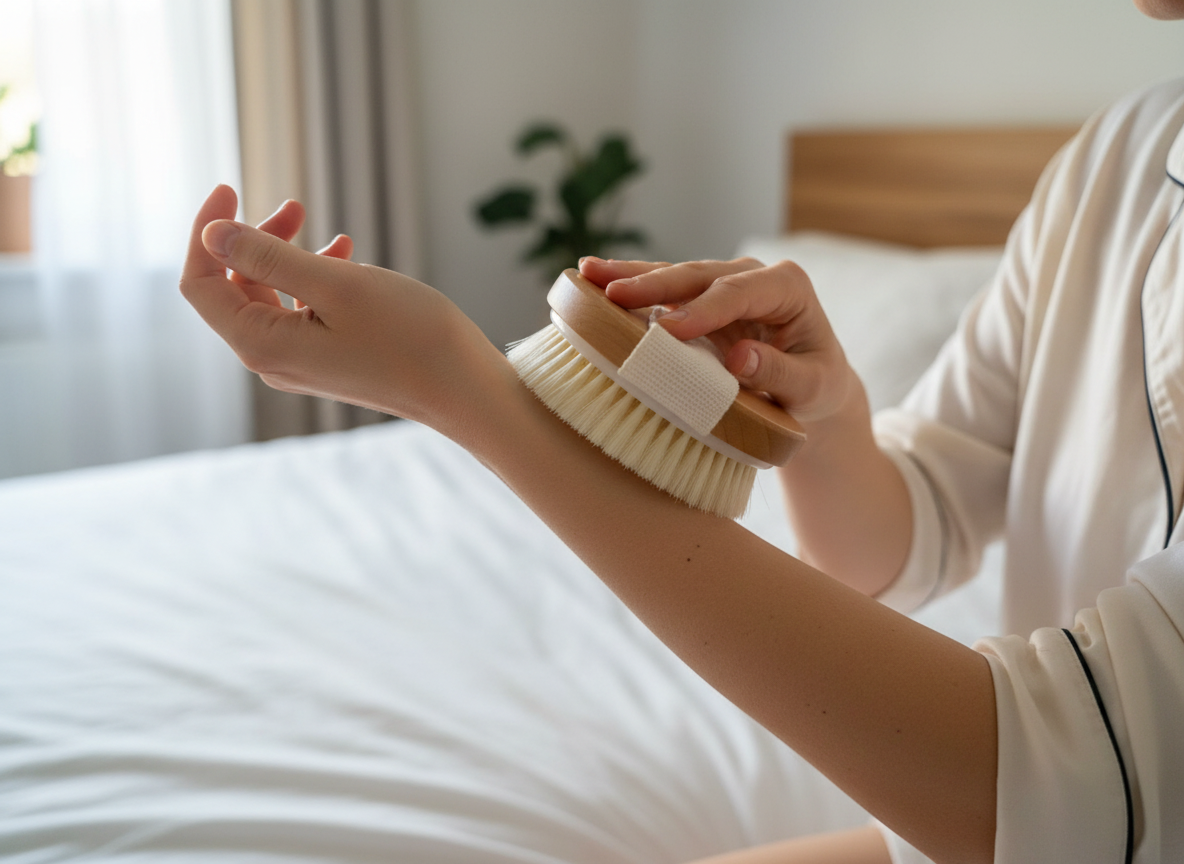
If you choose to try dry brushing for its potential benefits and relaxing ritual, use the correct technique to avoid skin irritation. The process typically takes 5–10 minutes on dry skin before showering.
- Use a natural-bristle brush for best results.
- Start at your feet and hands, using light, gentle pressure.
- Brush in long, upward strokes toward the main lymph node areas: the groin, armpits, and neck. This follows the natural direction of lymph flow.
- Use circular motions on the abdomen and back.
- Avoid sensitive areas, broken skin, wounds, sunburn, or inflamed skin conditions like eczema or psoriasis.
- Shower afterward to wash away dead skin cells, and then apply a moisturizer or body oil to hydrate the skin.
Dry brushing is generally safe for most people when done with gentle pressure, but it should not be a replacement for medical care for lymphatic issues.
Large and round dry brushes
Large and round dry brushes
NZ$18.00Price
No Reviews YetShare your thoughts.
Be the first to leave a review.