

Summer Compression for Lipedema and Vein Care How Women Can Stay Cool and Supported
Summer can bring out the best in daily life, longer walks, lighter clothes, time outside, and travel. For women living with lipedema or vein issues, it can also bring heavier legs, more swelling, aching, and the constant question of how to wear compression when the weather feels too hot.
Medical-grade compression is not just a winter tool. In warm weather, it can be one of the most useful ways to manage discomfort, support circulation, and help reduce fluid buildup. The key is choosing the right garment, wearing it in a way that works for real life, and knowing how to stay cool without giving up support.
This article is for general education only and is not a substitute for medical advice. A doctor, vascular specialist, lymphedema therapist, or certified compression fitter can help recommend the right compression level and garment style.

Why summer can make lipedema and vein symptoms feel worse
Heat affects the body in several ways. Blood vessels naturally widen in warm weather to help release heat. That process can make fluid collect more easily in the legs, feet, and ankles. For someone with venous insufficiency, varicose veins, or a history of swelling, this can lead to more heaviness and discomfort by the end of the day.
Lipedema can add another layer. Lipedema often causes painful fat buildup, tenderness, easy bruising, and swelling that may become more noticeable as the day goes on. Some women describe summer symptoms as a “full” or tight feeling in the legs, especially after standing, sitting for long periods, or being outdoors in heat.
Compression does not cure lipedema or vein disease. It does not remove lipedema tissue. But it can help manage some of the symptoms that make daily life harder.
Medical-grade compression garments apply controlled pressure to the limb. This pressure can help:
Support venous return, which helps blood move back toward the heart
Limit fluid pooling in the lower legs
Reduce swelling during the day
Improve the feeling of leg support and stability
Ease aching, heaviness, and fatigue for many wearers
Support lymphatic flow as part of a broader care plan
For many women, skipping compression during summer leads to a familiar cycle. The morning starts fine, swelling builds through the day, discomfort increases, and by evening the legs feel tight or painful. Wearing the right garment earlier in the day may help reduce that buildup before it becomes difficult to manage.
What medical-grade compression really means
Not all compression garments are the same. Fashion leggings, shapewear, and tight athletic wear may feel snug, but they are not the same as medical-grade compression.
Medical-grade compression is designed to provide measured pressure, often strongest at the ankle and gradually lighter as it moves up the leg. This is called graduated compression. It supports circulation in a more controlled way than regular tight clothing.
Compression is often measured in millimeters of mercury, written as `mmHg`. Common ranges include lighter support levels and higher medical levels, depending on the condition and clinical recommendation. More pressure is not always better. Too much compression, the wrong fit, or the wrong garment type can cause discomfort and may be unsafe for some people.
A professional fitting matters because the garment must match both the body and the medical need. A fitter may measure the ankle, calf, thigh, hip, waist, or arm, depending on the garment. Measurements are usually best taken in the morning, before swelling increases.
Flat-knit and circular-knit garments feel different
Women with lipedema are often introduced to two broad types of compression fabric.
Circular-knit compression is usually thinner and more elastic. It can work well for some vein concerns and mild swelling. It often looks more like regular hosiery.
Flat-knit compression is usually thicker, firmer, and made to measure. It may be recommended for lipedema, lymphedema, significant limb shape changes, or folds because it offers stronger containment. It can feel less stretchy, but many people find it gives better support and less digging when properly fitted.
The right choice depends on symptoms, limb shape, skin sensitivity, lifestyle, and clinical guidance.

The summer benefits are practical, not just medical
The biggest summer benefit of compression is often simple: the day feels more manageable.
When compression works well, it may help reduce the afternoon swelling that makes sandals tight, knees stiff, or ankles puffy. It can also make standing in lines, traveling, working on your feet, or attending outdoor events feel less draining.
For vein issues, compression can help counter the pull of gravity. When leg veins struggle to move blood upward efficiently, pressure from the outside can support that movement. This may reduce heaviness, throbbing, and visible swelling.
For lipedema, compression may help with pain, tissue tenderness, and the feeling of limb heaviness. Many women also value the gentle “held together” feeling. That sense of containment can make movement more comfortable, especially during walking, exercise, or long errands.
Compression can also support consistency. Summer often disrupts routines. Vacations, heat waves, social events, and travel can make symptom management harder. A reliable garment gives a steady base of support even when schedules change.
How to choose garments that work in warm weather
Summer compression should balance support, comfort, skin health, and ease of use. A garment that stays in the drawer because it feels unbearable will not help. The goal is a piece that is medically appropriate and realistic to wear.
Start with the prescribed pressure level
If a clinician recommends a specific compression range, use that as the starting point. Do not size up to reduce pressure unless a fitter advises it. A garment that is too large can bunch, slide, or fail to provide the needed support.
At the same time, do not choose a tighter garment because symptoms feel severe. Compression should feel firm and supportive, not painful, numb, or restrictive.
Choose the right style for your symptoms
Common lower-body options include:
Knee-high stockings
Thigh-high stockings
Pantyhose or tights
Capri-length garments
Full-length leggings
Compression shorts
Custom flat-knit pieces
Knee-highs may be enough for some vein concerns, especially when swelling is mainly below the knee. Lipedema often affects the thighs, hips, and buttocks, so many women need wider coverage. If swelling appears above the top band of a knee-high or thigh-high garment, a different style may be needed.
Open-toe garments can feel cooler and may work better with sandals. Closed-toe options may suit foot swelling better. Some people need toe caps or foot pieces if swelling collects in the toes or forefoot.
Look closely at waistbands and top bands
A garment that rolls, pinches, or cuts into the skin can worsen discomfort. For lipedema, this matters because tissue can be tender and sensitive. Soft waistbands, adjustable waist styles, silicone bands that do not irritate, or custom shaping can make a major difference.
If a top band creates a deep groove or swelling bulges above it, the fit may be wrong.
Think about color and fabric weight
Darker garments absorb more heat in direct sun. Lighter colors may feel cooler and can blend more easily with summer clothing. Some brands offer breathable fabrics or lighter seasonal options, though medical support should still come first.
A thinner garment is not always better if it lacks containment. For lipedema, a slightly firmer garment that controls swelling may feel better over the full day than a lighter one that allows symptoms to build.
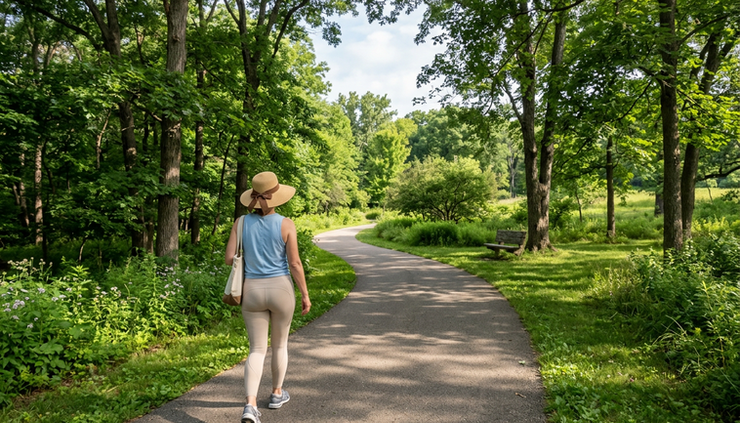
How to stay cool while wearing compression
Wearing compression in summer is easier when the whole routine supports cooling. Small changes can make the garment feel less overwhelming.
Put compression on early
Morning is usually the best time because swelling is lower and the air may be cooler. It is often harder to pull garments on after heat and swelling set in.
Use donning gloves or aids
Rubberized gloves, a stocking donner, or a silk foot slip can reduce tugging and effort. Less struggle means less sweating before the day even starts.
Keep skin dry
Compression is easier to apply to clean, dry skin. If lotion is needed, apply it at night unless the garment manufacturer says otherwise. Heavy lotion under compression can make fabric slide and may affect the fibers.
Dress in loose layers
A flowy dress, tunic, linen pants, or a lightweight skirt can work over compression. Breathable fabrics like cotton, linen, bamboo, and moisture-wicking blends can help reduce heat buildup.
Plan around the hottest hours
If possible, schedule walks, errands, gardening, or outdoor exercise in the morning or evening. Midday heat can challenge even the best garment.
Use cooling tools wisely
A cooling towel around the neck, handheld fan, insulated water bottle, or time in shaded spaces can help. Some people chill their garments briefly before wearing them, but avoid freezing or using extreme cold directly on sensitive skin.
Rotate garments
Having more than one pair helps. Compression needs regular washing to restore elasticity and remove sweat. A clean, dry garment feels better and works better.
Protect sensitive skin
Heat, sweat, and friction can irritate skin folds or tender areas. Check skin daily, especially behind the knees, along bands, at the ankles, and around the waist. Report persistent redness, sores, numbness, or pain to a clinician.
Common misconceptions about summer compression
Compression can be emotionally loaded. Many women have been told to “just lose weight,” “wear support hose,” or tolerate garments that do not fit properly. Better information helps replace frustration with choice.
Compression will make me overheat
Compression can feel warm, especially at first. But worsening swelling can also make the body feel heavy, tight, and uncomfortable in heat. The right fabric, fit, timing, and cooling habits often make summer wear possible.
If a garment feels unbearable, the answer may not be giving up. It may be reassessing the style, pressure level, fabric, or fit.
Any tight leggings will do
Regular leggings may feel supportive, but they do not provide measured medical compression. They can also press unevenly, roll at the waist, or trap heat without giving enough containment.
Medical-grade garments are made for a therapeutic purpose. For lipedema and vein care, that difference matters.
The tighter the garment, the better it works
Too much pressure can cause problems. Warning signs include numbness, tingling, color changes, sharp pain, skin marks that do not fade, or swelling that worsens above or below the garment.
Compression should feel snug and steady. It should not feel like it is cutting off circulation.
Compression is only for severe disease
Many people use compression before symptoms become severe. For vein concerns, it may help manage early heaviness or swelling. For lipedema, it can support daily comfort as part of a broader plan that may include movement, skin care, manual lymph drainage, nutrition support, and medical follow-up.
If I skip one hot day, it does not matter
One missed day is not a failure. Health routines need flexibility. But repeated breaks during hot weather can allow swelling and pain to build. If full-day wear feels impossible, ask a clinician whether a partial-day plan is appropriate, such as wearing compression during the most active hours.
When to ask for a new fitting or medical guidance
Bodies change. Symptoms change. Garments stretch out. A compression plan that worked last summer may not be right now.
Seek guidance if:
Swelling has increased or moved to a new area
The garment rolls, slips, bunches, or digs in
Pain increases while wearing it
There is numbness, tingling, or skin discoloration
Skin breaks down or irritation does not improve
The garment is older and no longer feels supportive
Weight, surgery, pregnancy, or medication changes have affected swelling
People with certain health conditions, including some forms of arterial disease, heart failure, neuropathy, or active skin infection, need medical advice before using compression. A proper evaluation helps keep compression safe.

Make compression part of a kinder summer routine
Summer compression for lipedema and vein care is not about forcing the body into discomfort. It is about giving the body steady support in a season that often increases swelling, heaviness, and pain.
Start with the right medical guidance. Choose garments that match both symptoms and lifestyle. Put them on before swelling builds. Keep cooling tools nearby. Pay attention to skin, fit, and comfort.
Most of all, treat compression as support, not punishment. A well-fitted garment can help make warm days feel more possible, whether the plan is work, travel, family time, errands, or a quiet walk in the shade.


Comments